Ti potrebbe interessare anche…






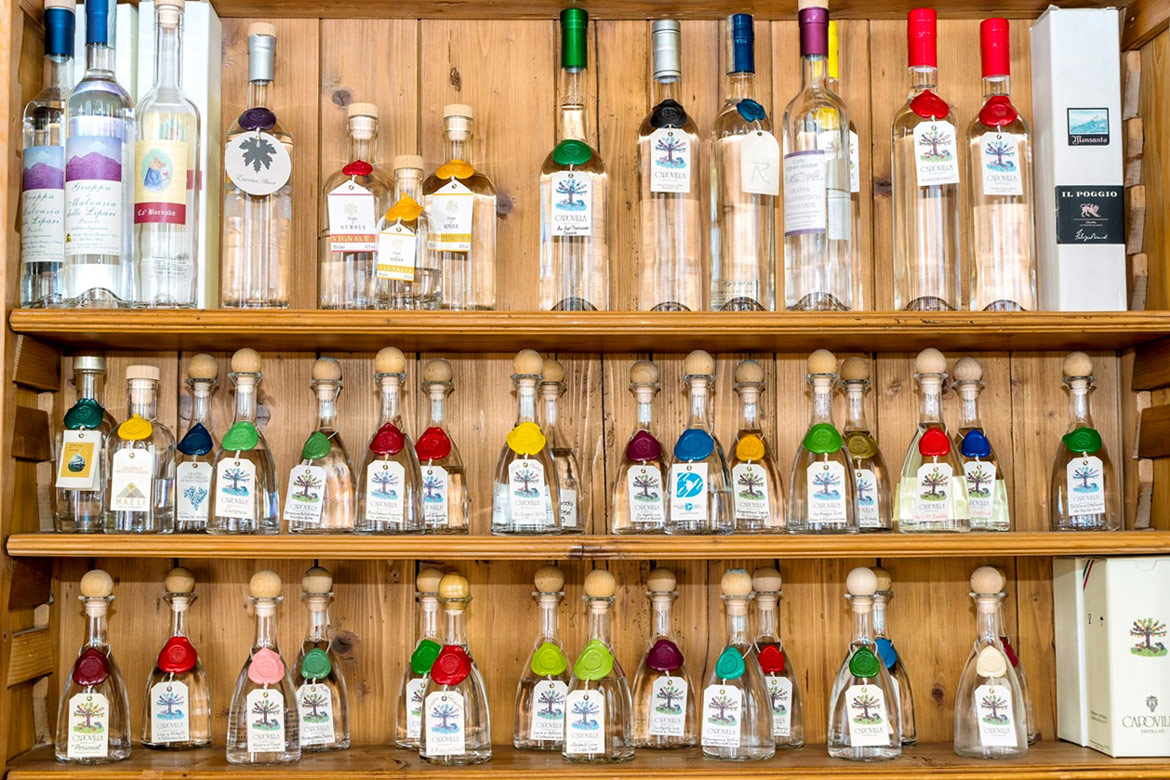
CAPOVILLA DISTILLATES


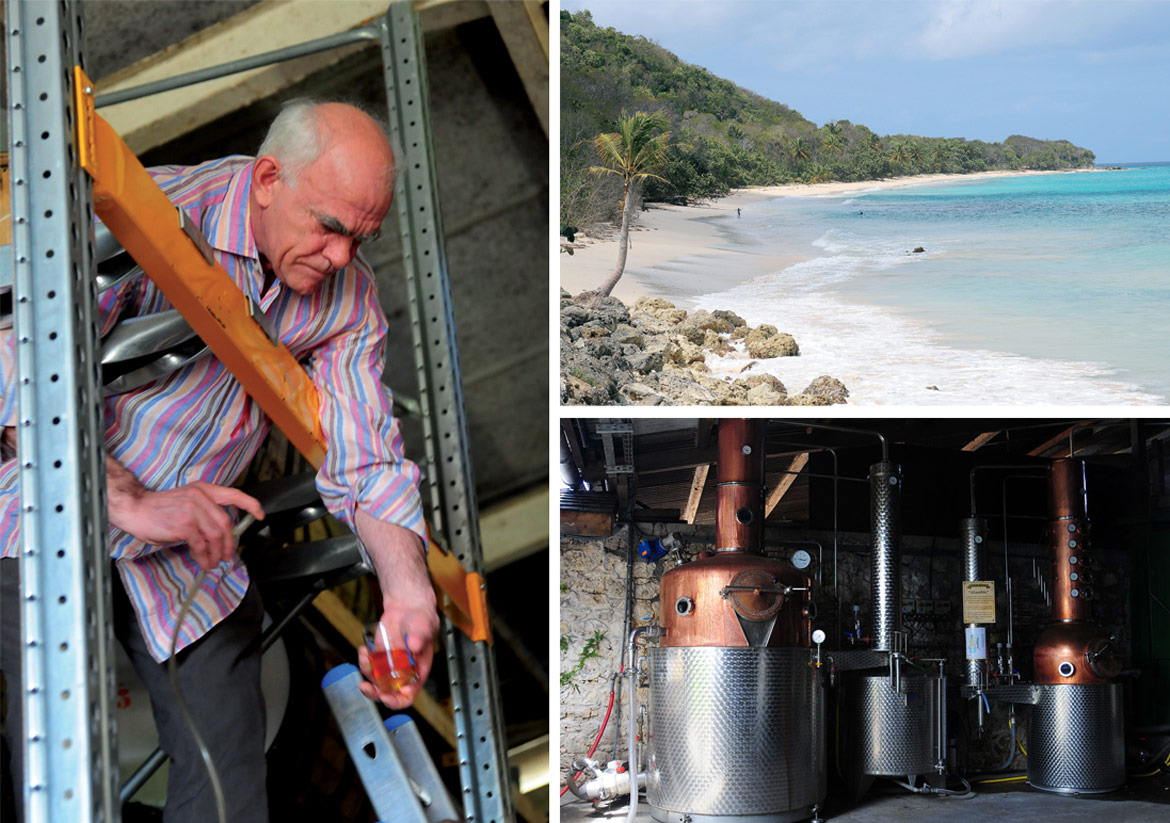
Photos by Luca Managlia
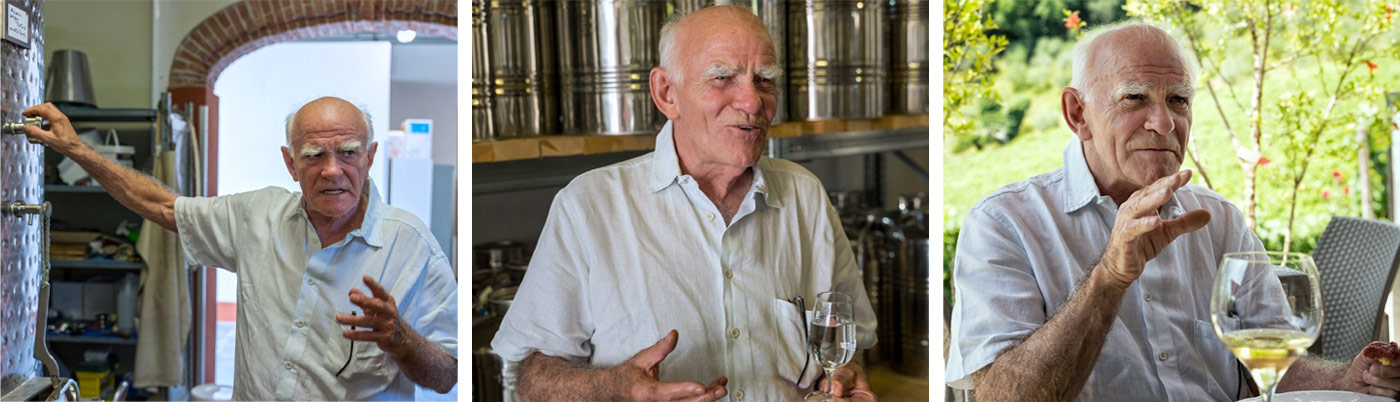
Vittorio Gianni Capovilla emigrated from Bassano del Grappa at the age of 10, moving with his parents to German-speaking Switzerland. He returned to the Veneto when he was 15, then to Switzerland at 19, where he became a mechanic for a major Formula 3 team.
In 1971 he opened his own workshop in Italy and approached the turning point of his life: one of his customers was a famous manufacturer of wine products who exported to Germany.
Gianni participates in trade fairs and, when he sees his first copper still, falls madly in love with it. As a hobby, he began to produce wine and distil it. The first fruit he distilled was wild plum, then carnelian... and has not stopped since, turning a burning passion into a job that resembles a constantly evolving work of art since 1986.
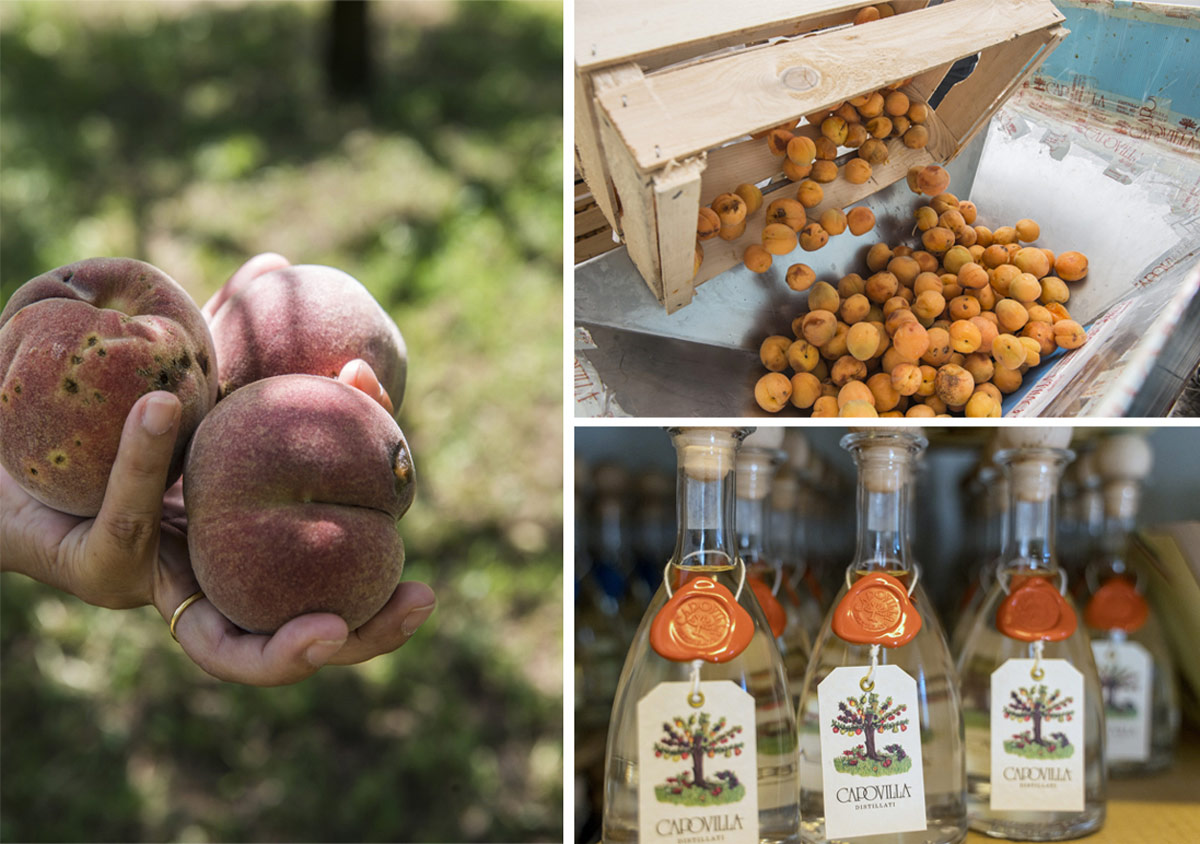
His attraction to nature leads him to a constant search for all possible cultivars; a nomadic picker of wild blueberries and raspberries, rose hips, elderberries, wild cherries, Croatian white figs and prickly pears. Among the domestic fruit he searches for old varieties from small, remote farmers. He has distilled more than 70 varieties of apples and more than 40 of peaches, apricots and pears.
He has discovered that some very aromatic fresh fruits such as strawberries, persimmons, melons, kiwis and unfortunately also mangoes lose their aromatic characteristics after fermentation. He distils first for himself, to try to steal the quintessence of the vegetable.
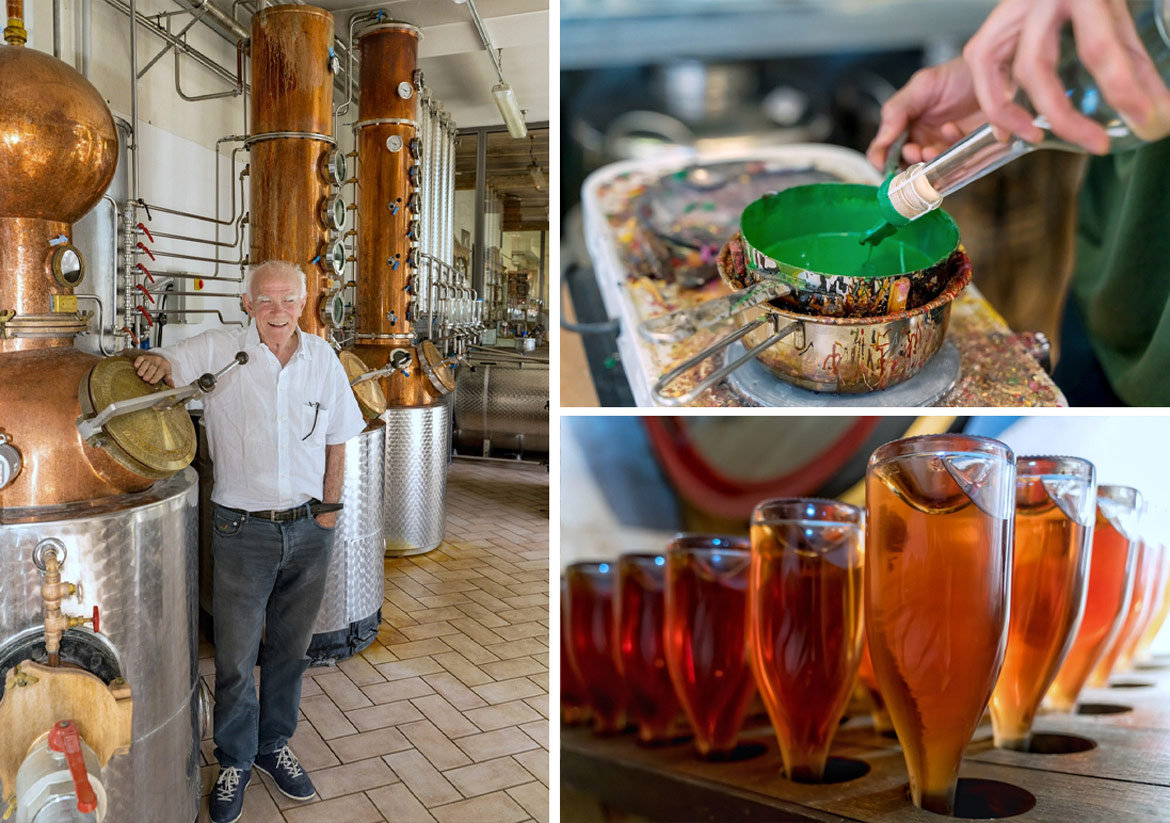
All Capovilla's distillates are produced without added sugar and by starting the fermentation, which can take up to 15 days, with the yeasts naturally present on the fruit. The double bain-marie distillation takes place in five discontinuous stills made by the German company Müller, forged according to the Capovilla's specific requirements. In addition to the stills, there is another system, designed by Gianni, called CaSCo (Capovilla Spirits Condensing System), and used to eliminate unwanted volatiles that are difficult to separate, as well as clarifying and stabilising the distillates through heating and refrigeration.
But the truly amazing thing about this distillation genius is the tenacity and love with which he preserves these white spirits before bottling: not a few months to harmonise the spirit, but years and years, necessary for the esterification of the fatty acids and to consign to history another Capovilla masterpiece.
Photos by Luca Managlia
It all started with the meeting between Gianni and Luca Gargano, the Lord of Rum, and the crazy idea of taking the Capo to distil an agricultural Rhum in the Caribbean, on the island of Marie-Galante. Some time later, the specially ordered Müller stills began to work and produce a liquid now celebrated by enthusiasts all over the world.
The production of Rhum Rhum starts with the natural cultivation of sugar cane, using rouge and B47.259, and the production process involves no dilution and no addition of chemicals. The long fermentation of 5/6 days at controlled temperature precedes the double distillation in copper stills in bain-marie.
The result is a white rum of extreme finesse and aromaticity, while small batches are destined for ageing in a tropical climate and take the name Rhum Rhum Liberation.
Distillates have different alcoholpercentages. So, we have defined a parameter allowing you to better understand and compare different prices. This parameter is calculated by dividing the bottle price by the alcohol content. The alcohol content (or strength) is the amount of pure alcohol (ethanol) contained in the distillate.
This parameter indicates the price of a single 4cl dosage of distillate. It is calculated by dividing the price of the bottle by its quantity (expressed in cl), then multiplying by the centilitres of the recommended single dose, as average in cocktail recipes.


