Ti potrebbe interessare anche…






For many years, master distiller Arturo Fuentes Cortes dreamed of creating a superior tequila that captured the essence of Mexico. Having perfected the liquid, he needed a perfect brand. Made from 100% top quality agave juice, Rooster Rojo is aged in controlled humidity to ensure a stable and sustainable process. Each batch is blended to ensure a consistent and delivered-to-perfection taste palate.
Through a mechanical pressing, they obtain the aguamiel (water and honey), to which yeasts are added in order to begin the fermentation process. After distillation, this tequila is brought to final gradation with artesian well water, that makes it smooth and elegant.
A classic traditional tequila, initially sweet but swiftly followed by a subtle yet distinct peppery spice
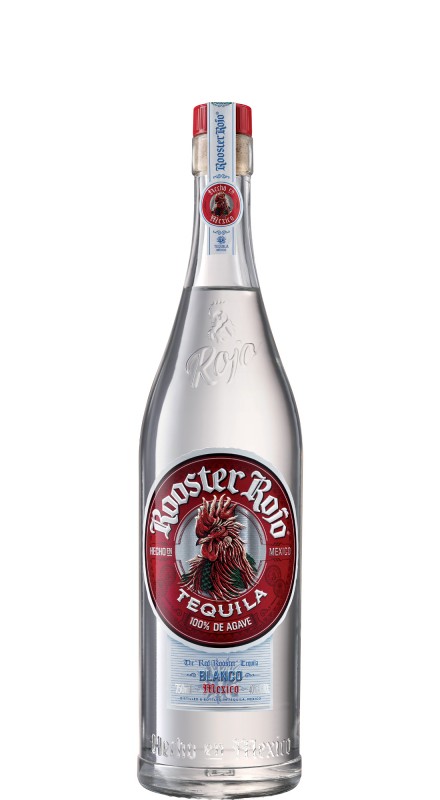
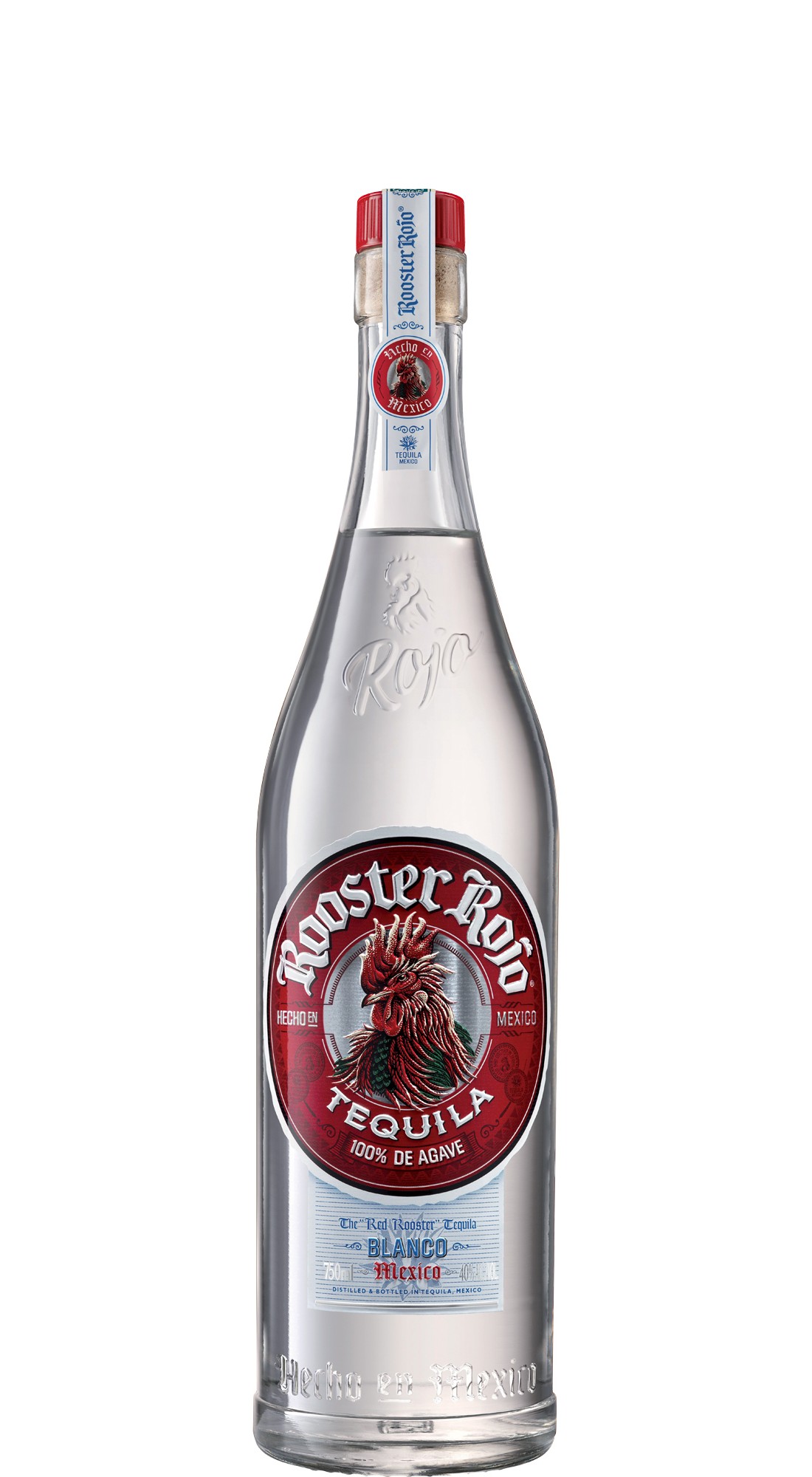
Rooster Rojo Blanco Tequila
70cl / 40°



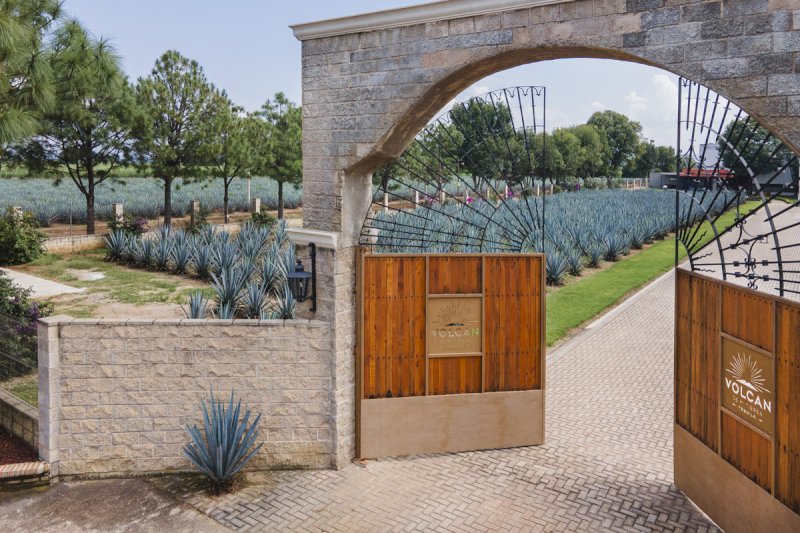
Discovering distillation in Mexico
As is well known, the two great spirits typical of Mexico, tequila and mezcal, are both extracted from agave. Agaves are plants native to the American continent, found mainly between Mexico and the...
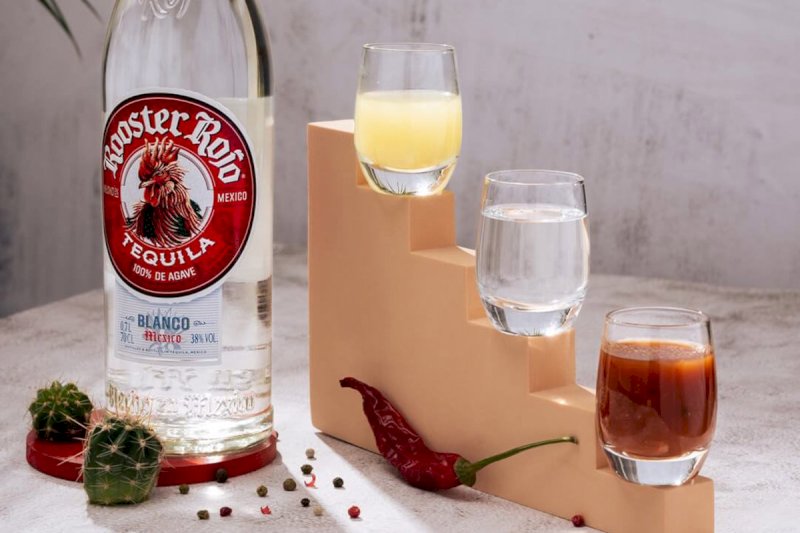
Rooster Rojo Tequila: 100% Blue Agave
24 July is National Tequila Day, a tribute to the traditional Mexican spirit that is conquering the world. Traditionally produced in the State of Jalisco from Agave Azul, which is harvested, fermented and...
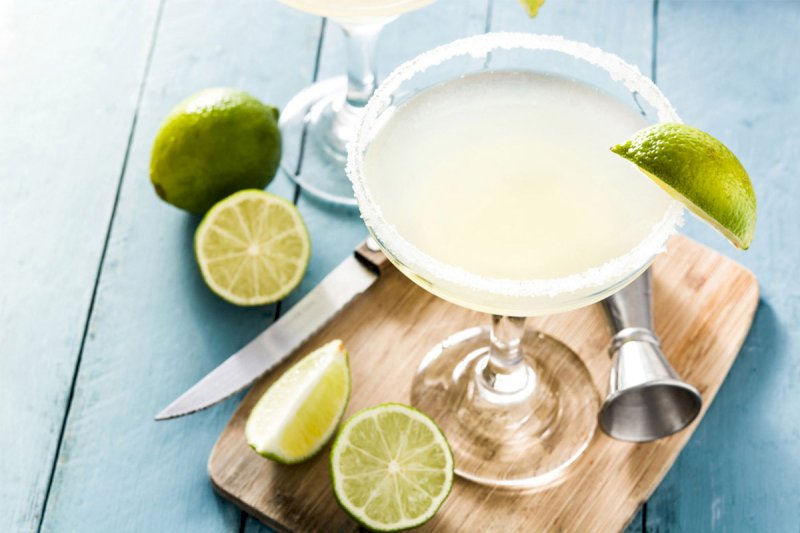
Margarita “Fun in Acapulco!”
Acapulco, 1963. In the famous film Fun in Acapulco, Elvis Presley sips Margaritas while filming several scenes, but it was mainly behind the scenes, it seems, that he enjoyed this cocktail the most. How...
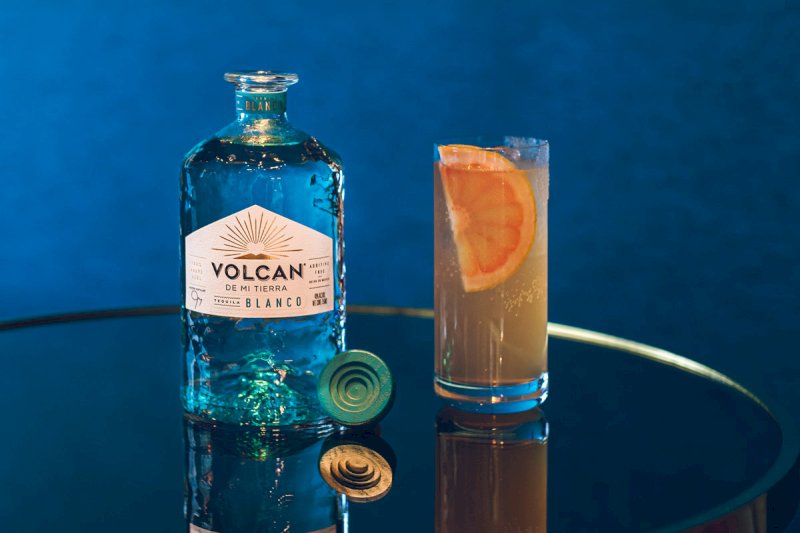
Paloma: Mexico in the glass
Tequila, lime juice and grapefruit soda, plus a pinch of salt: these are the simple ingredients of Paloma, a classic cocktail popular in Mexico. Officially defined as an 'aperitif', but just by dosing the...