Ti potrebbe interessare anche…











The Akkeshi distillery is located on the island of Hokkaido. It started the business in 2016 and was founded by Keiichi Toita, who carefully chose the location, in the north of Japan, for its climatic conditions very similar to those of Scotland: salt mist from the sea, pure air, rich deposits of peat.
The declared intention is to use traditional Scottish distillation methods to create a whisky similar to those of Islay; not surprisingly, in fact, the two pot stills and the mash tun come from Forsyths, and it was some workers of the Scottish distillery who installed them in 2013. Furthermore, as in Islay, whisky is produced using water filtered through a layer of peat. For the aging, ex-Bourbon and Sherry barrels are used, but also rare Japanese oak barrels; In addition, experiments are underway on barrels that have contained wine and rum.
Akkeshi Blended Usui is the third whisky in the '24 Solar Term 'series, inspired by the ancient Asian calendar, which divides the year into 24 solar seasons. More than half of the malt comes from the Akkeshi distillery, is blended with imported new make and is put into barrels at the same distillery, and aged there for over three years. The result is of great harmony, created by the sweet and fragrant peaty aromas typical of Akkeshi malt.
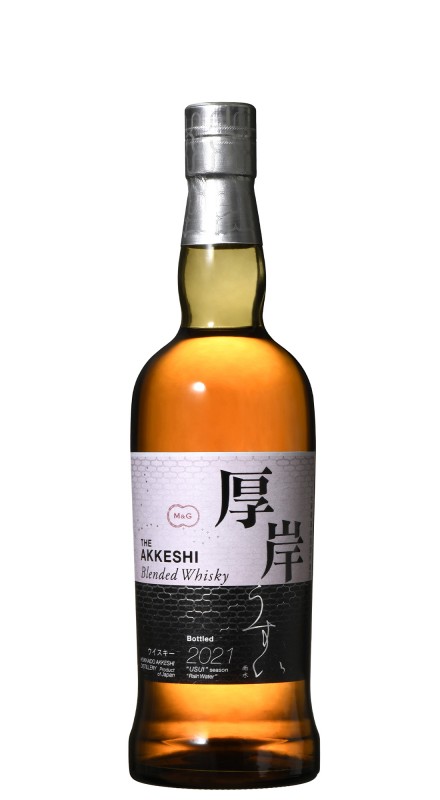
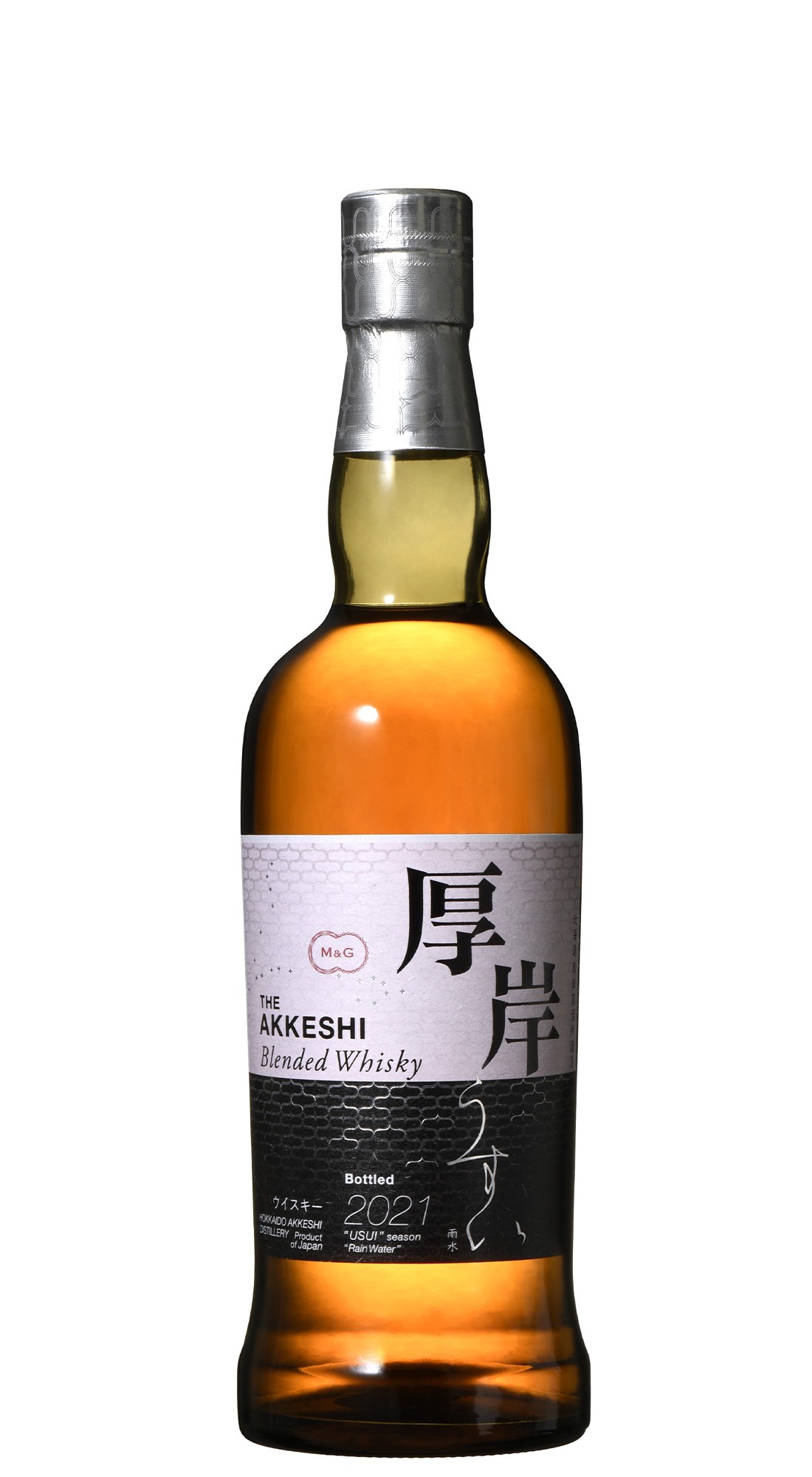
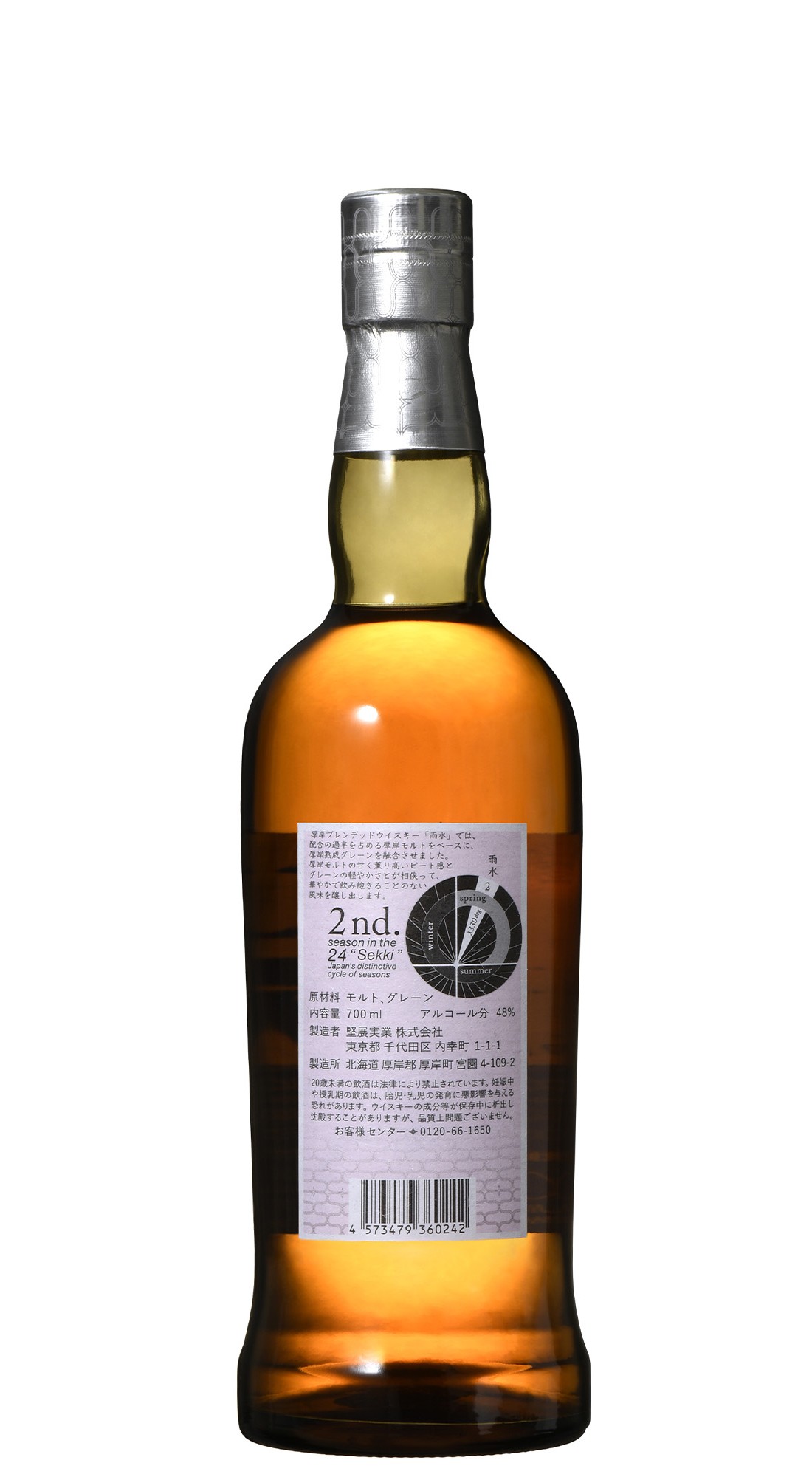
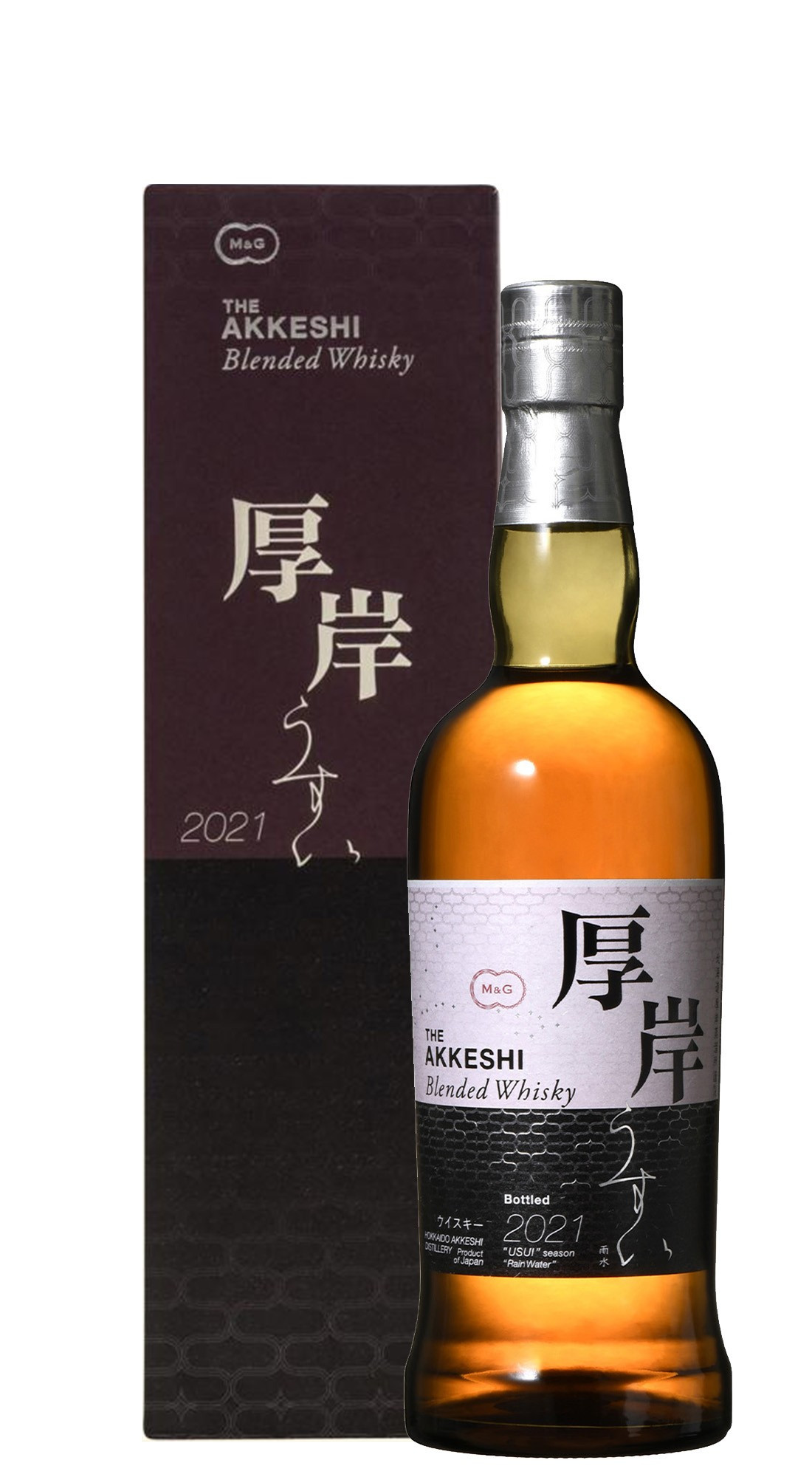
Akkeshi Blended Usui
70cl / 48°



The Complete Guide to Whisky
Ireland and Scotland have always contended over the paternity of the invention of whisky, however, there are no official documents and we will not go into this centuries-old dispute, but will rely on...
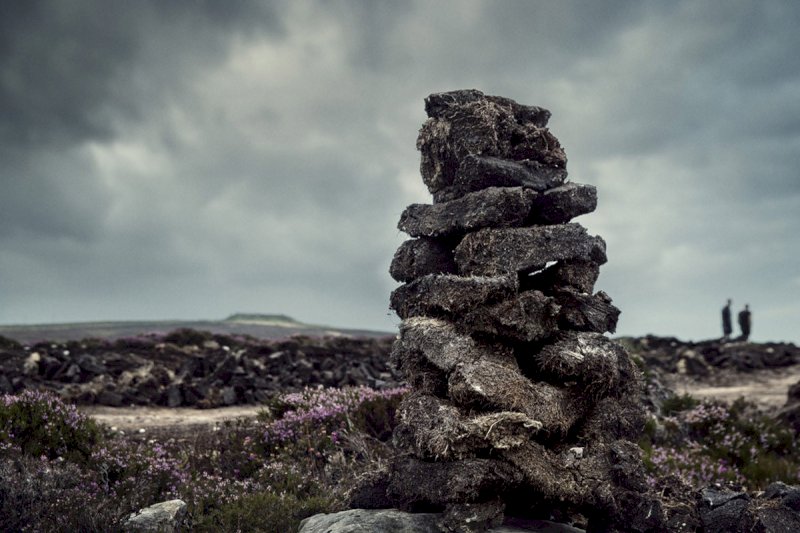
Peat whisky: a bit of history
Peat whisky offers great emotions, unmistakable flavours and smells that enrapture us and that, when combined with the scents given by oak wood, create new horizons of taste. But what is peat and where...
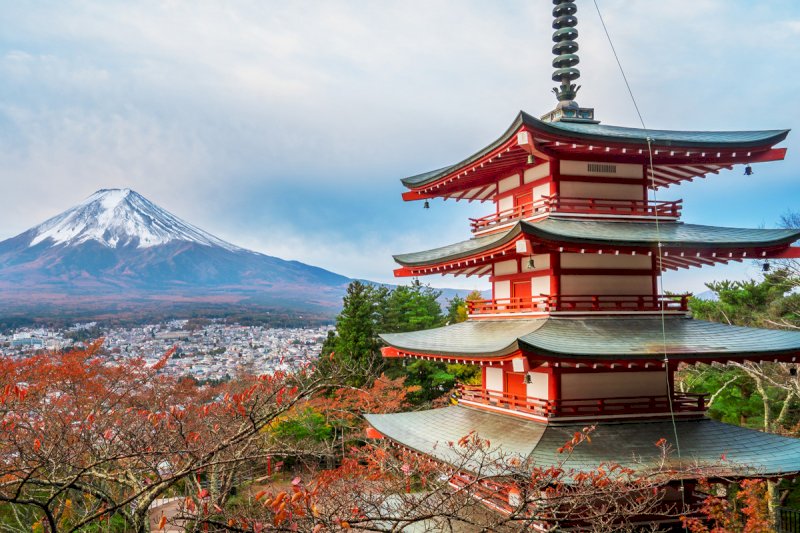
Not only sake: a trip to Japan among whisky, gin, rum and spirits
The production and consumption of alcohol in Japan has a thousand-year history that has been enriched and evolved considerably in this century, leading the country to world fame not only for its infamous...