Ti potrebbe interessare anche…











Glenfiddich 21 Y.O.: Gran Reserva 2022
This Glenfiddich Single Malt aged for 21 years in bourbon barrels was aged in casks that had previously contained a rum produced in the Sancti Espiritu region. Ageing is very fashionable in these times. While some of them are questionable, this Gran Reserva version is anything but. An official version available in a limited series. Matured in c ubian rum casks, this single malt, golden in colour with topaz highlights, has a nose marked by exotic fruits. It evolves on violet, tobacco, vanilla and sugar cane. The fresh and perfumed mouthfeel, evoking banana and ripe fruit (pear), develops with sweetness on malted barley. The finish reveals notes of cocoa beans and slightly bitter chocolate.
Tasting notes
- Colour: old gold with amber highlights.
- Nose: broad, soft. A corbeille of exotic fruits (mango, guava, banana) enriched with vanilla and spices (ginger, nutmeg). It evolves on pipe tobacco and flowers (violet).
- Mouth: lively and unctuous, it is clearly influenced by the ageing in the rum barrel with its notes of sugar cane and spices.
- Finish: long, rich, has an autumnal character (undergrowth, dried leaves, champignons) and lingers on the cocoa bean and slightly bitter chocolate.
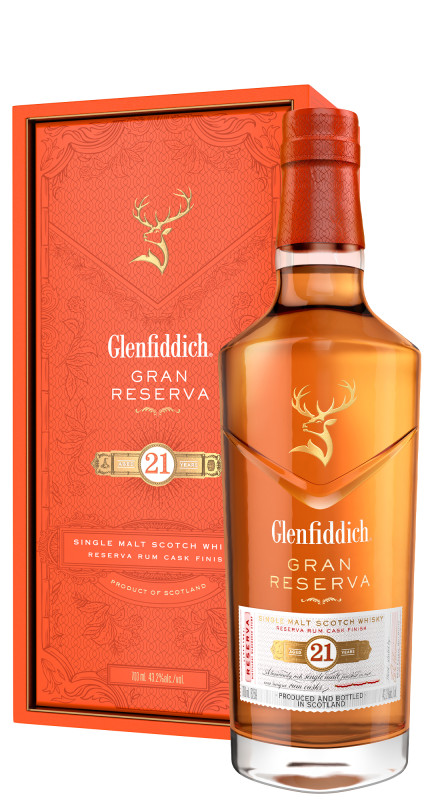
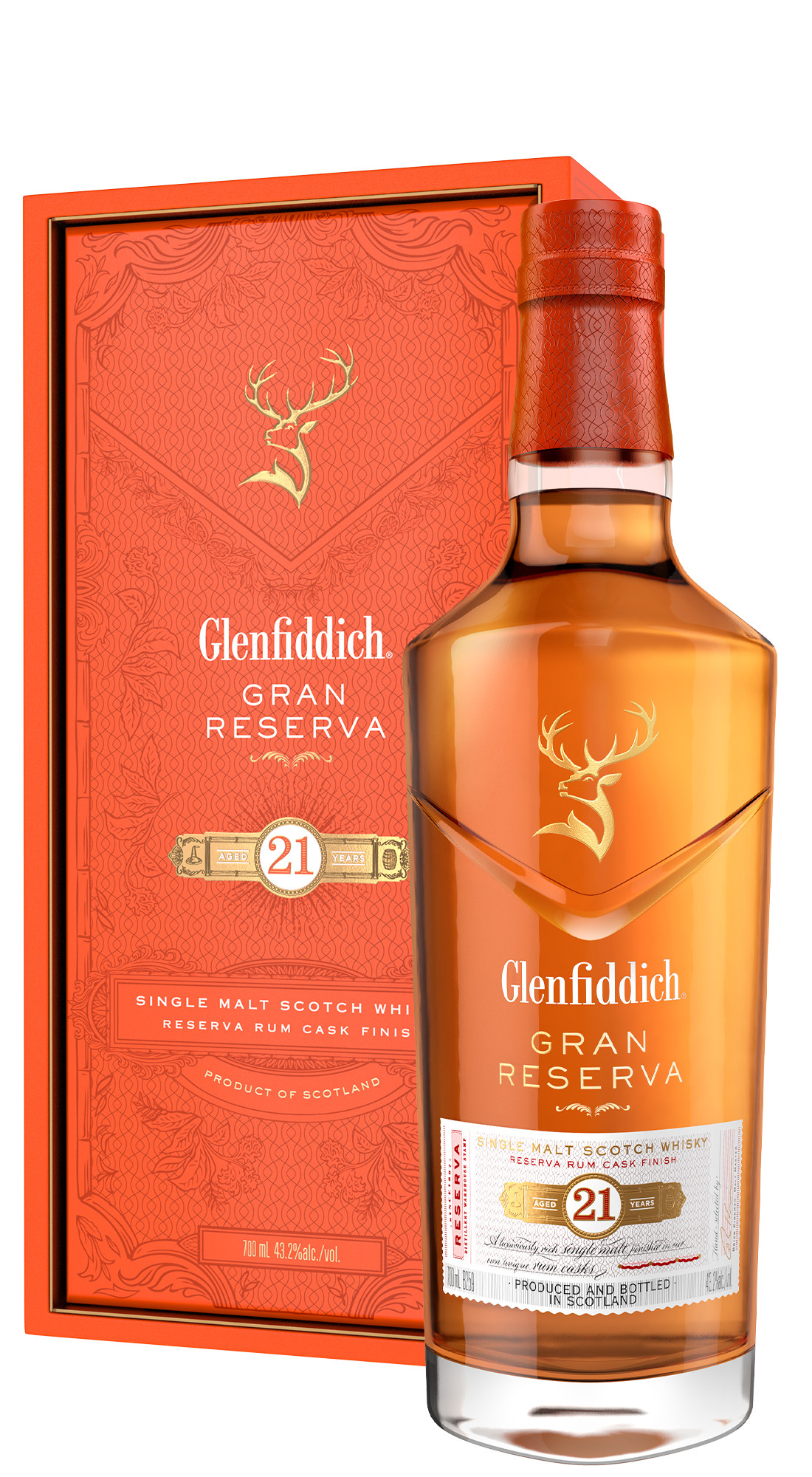
Glenfiddich 21 Years Old Gran Reserva Rum Cask Finish2022 Edition
70cl / 40°



90,00 €

Glenfiddich Rare Collection 36 Y.O. 1979 Single Malt Whisky
70cl / 51.80°
Single Malt
2 860,00 €2 950,00 €


The Complete Guide to Whisky
Ireland and Scotland have always contended over the paternity of the invention of whisky, however, there are no official documents and we will not go into this centuries-old dispute, but will rely on...
Glenfiddich, the father of Single Malt Scotch Whiskies
The long and exciting history of the Glenfiddich distillery coincides with that of the Scotch Whisky. The Grant family, now in its fifth generation, founded it as early as 1887 in Dufftown, a small town...