Ti potrebbe interessare anche…







Magnum Hampden LROK 13 Y.O. 2010: Magnum series continues
This 13-year-old Hampden LROK is part of the second edition of the now legendary Magnum series, created in 2021 by Luca Gargano, with the aim of bringing together the great masters of rum with the great photographers of the Magnum agency.
Distilled in 2010 and bottled after 13 years of ageing, the release is the oldest existing bottling of a Hampden aged in a tropical climate, making it a rare and exceptional rum. With its ester content between 200 and 400 gr/hlPA, this release is part of the LROK (Light Rum) mark, created in 1952.
Founded in 1753, Hampden Estate has been distilling rums that are the purest expression of Jamaica for almost three centuries in the Trelawny province, historically known as the Grand Cru of Jamaican rum.
The nose is refined and rich with hints of beeswax, candied fruit and camphor, evolving into geranium, hyacinth and iris. The palate is full-bodied and well-structured, with powerful notes of liquorice and chocolate, which become increasingly empyreumatic while maintaining a soft, fruity character. The finish is intense and persistent, very compact, full of Hampden's typical sweetness.
MAXIMUM ONE BOTTLE PER CUSTOMER

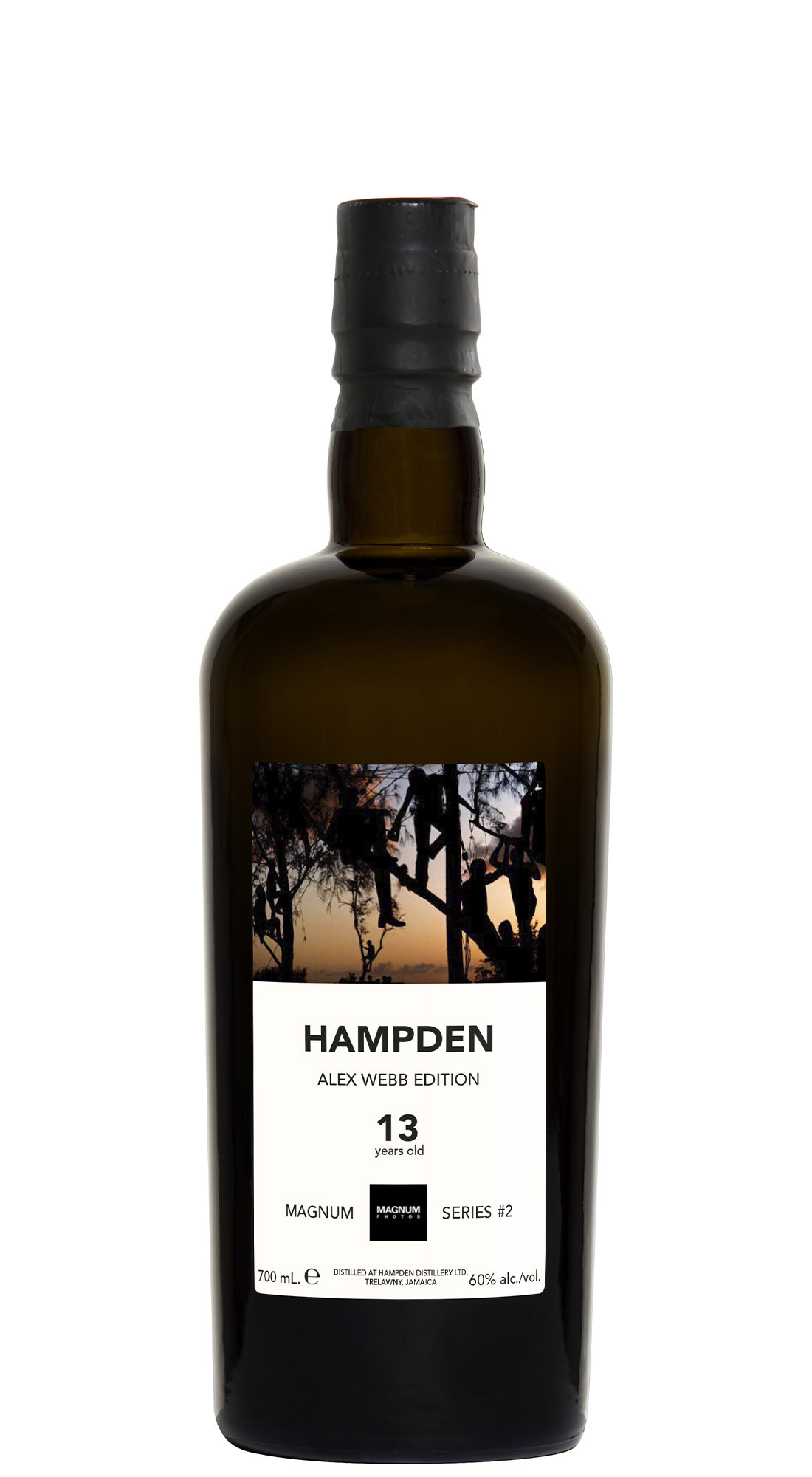
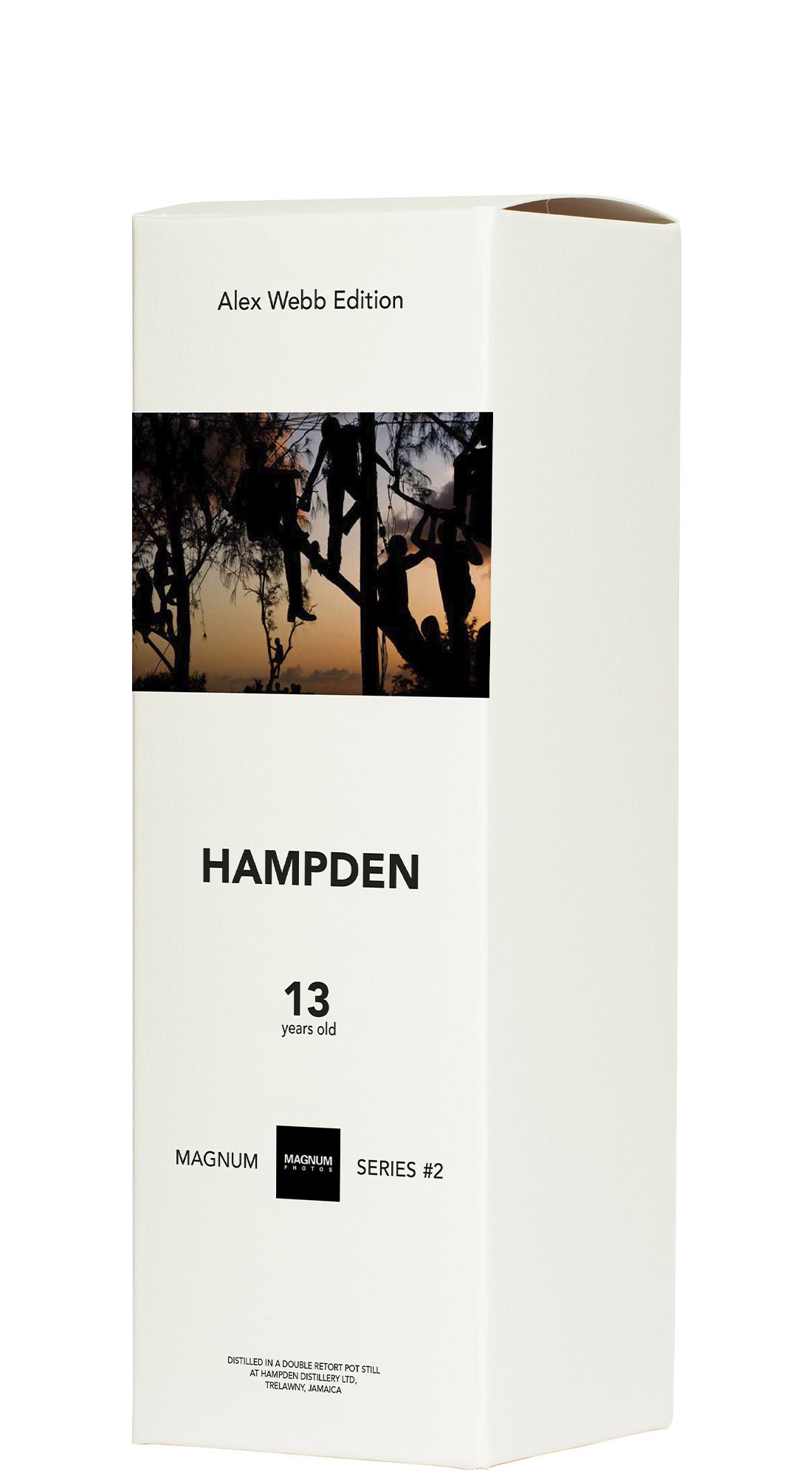
Magnum Hampden LROK 13 Y.O. 2010Serie #2
70cl / 60°