Ti potrebbe interessare anche…












Hampden Estate Pagos 2023: the perfect match between rum and sherry
This second release of Hampden Pagos rum was entirely aged in 80 ex-Sherry barrels from Bodegas Fundador and specially purchased after being selected by Luca Gargano. The rum consists of a 14-barrel blend of HLCF 2021, aged in the barrels in June 2022. Hampden Pagos is the first ever experiment in ageing Hampden rum in ex-Sherry casks, and the name Pagos is derived from the definition of parcels and terroir in the Sherry tradition. Pagos is the perfect marriage of a rich, unique rum and the finest ex-Sherry casks. An unmistakable aromatic profile, a genuine rum that needs no tricks: strictly no added sugar.
MAXIMUM ONE BOTTLE PER CUSTOMER
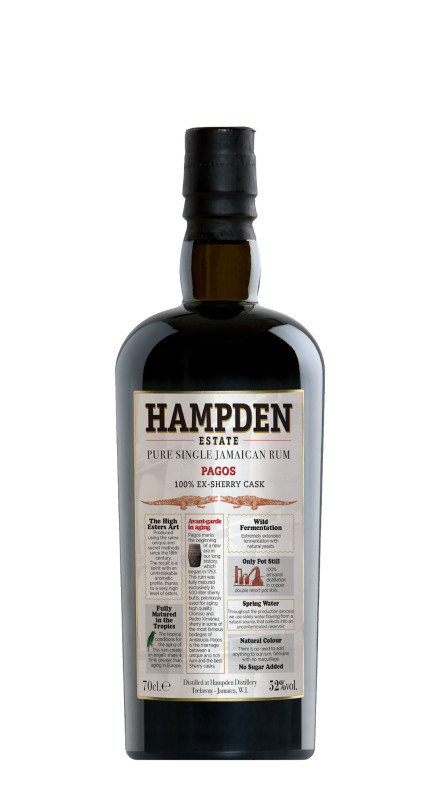
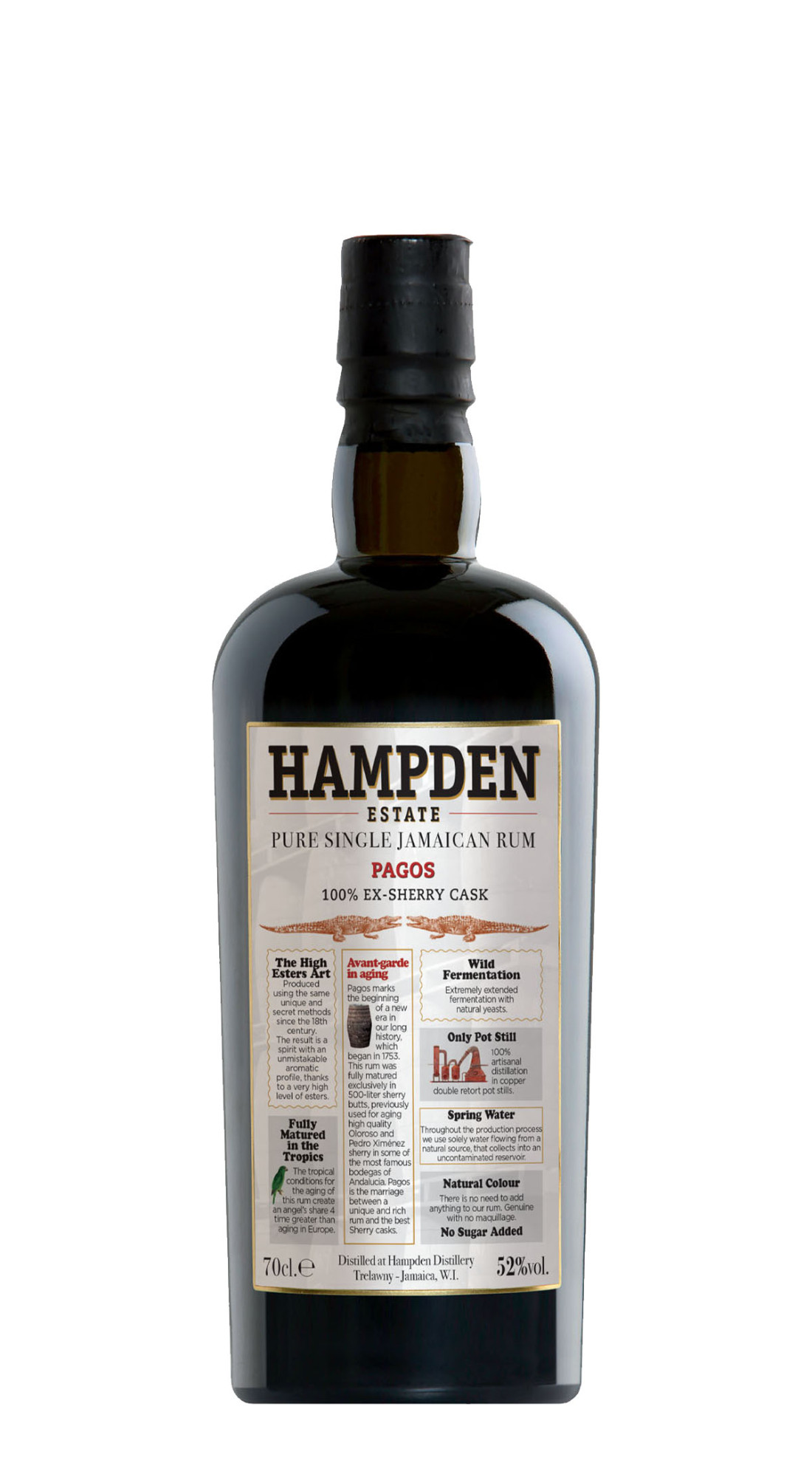
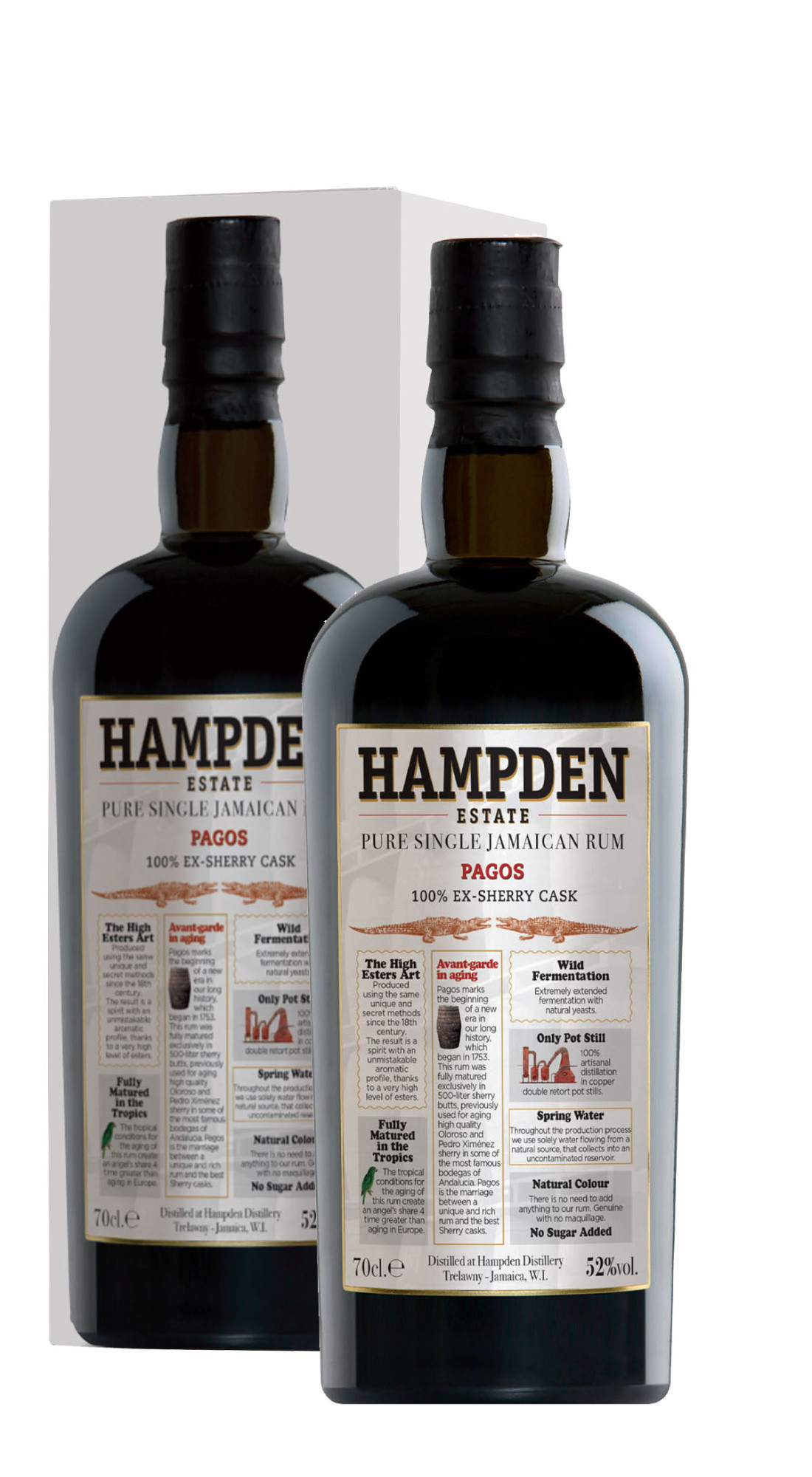
Hampden Pagos 2023 Release
70cl / 52°




The complete guide to Rum
Discovered by the West following on from the Spanish, French and English conquests of the Indies, rum was originally a slave and seafarer drink. Used as bait by pirates in their attempts to get the...

The pure single rums that wrote the history of Jamaica
In the history of rum, Jamaica is absolutely considered the number one country. And it is to rediscover its history that the National Rum of Jamaica range was born, presenting mono-mark editions of...