A distillate, or akvavit, is an alcoholic product derived from the distillation of a sugary compound left to ferment for different times and coming from the vegetable world: cereals, herbs, fruits, wine or marc.
The alcoholic result will be composed of numerous substances, including esters and various types of alcohols with different boiling temperatures.
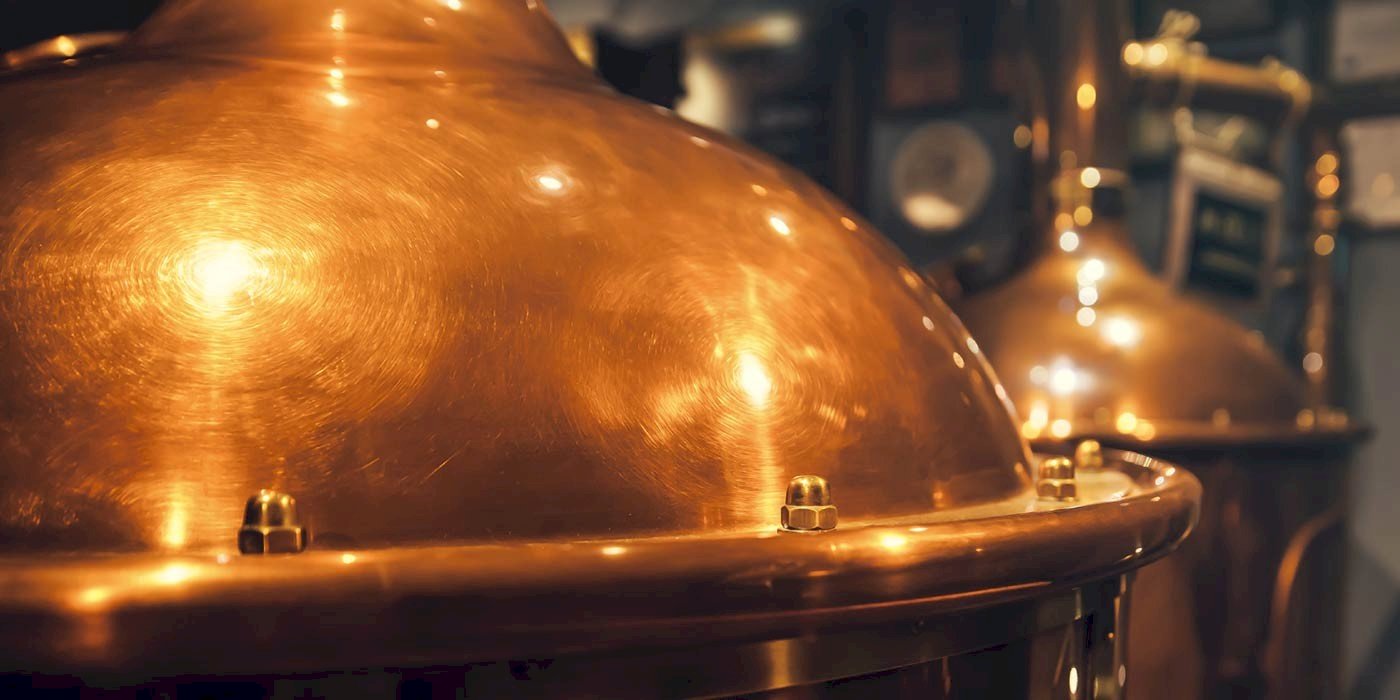
When we speak of heads we mean all those extremely volatile substances produced by alcoholic fermentation such as acetone, acetic acid, and sulfur dioxide derived from yeasts. Here, moreover, there is a large part of the methanol, which is produced from pectins, has a boiling temperature of 64.5 C° and can therefore be reduced by cutting them (ie discarding the first drops produced by the pot still).
The tails, however, correspond to the higher alcohols and are fatty and oily substances such as glycerine, which can also be eliminated by precise distillation methods.
In this way we have only the central part of the distillate, which contains the true soul, that is the spirit of the raw materials used.


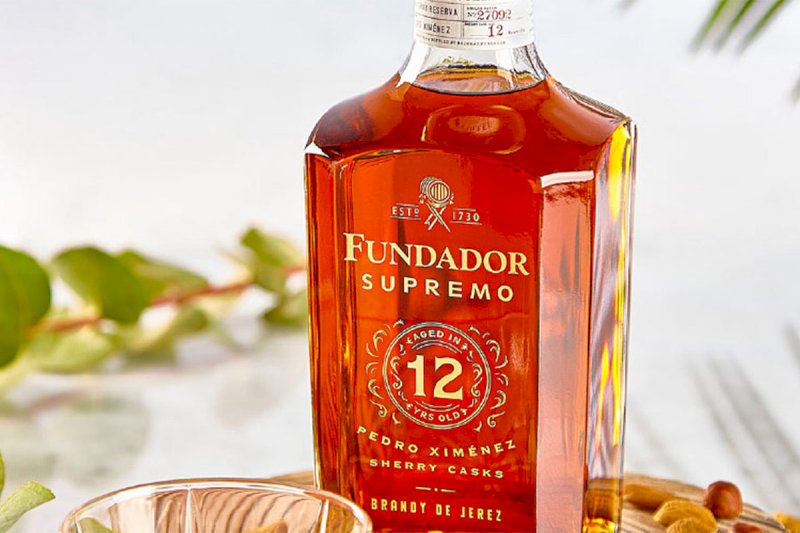
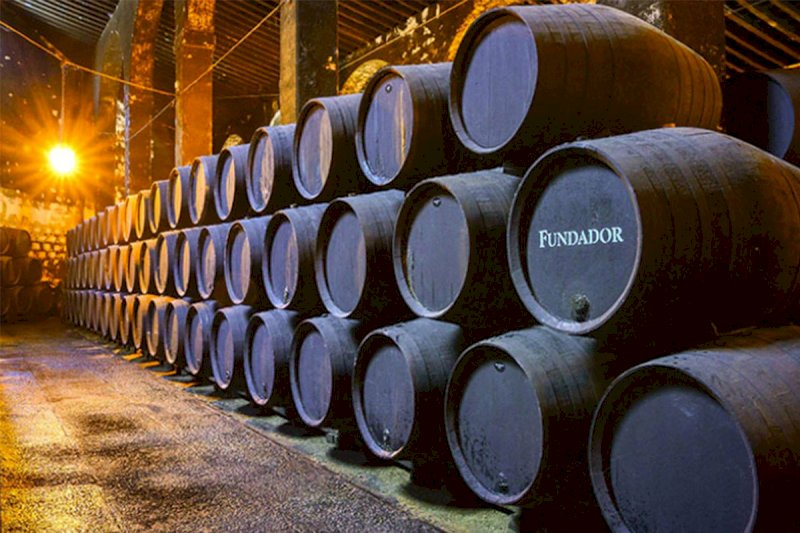
The story of Fundador began in 1874, when Pedro Domecq Loustau created the first Spanish Brandy in Jerez, Andalusia. The very choice of name, to be rendered in Italian as Founder, tells us of the...

Distillates have different alcoholpercentages. So, we have defined a parameter allowing you to better understand and compare different prices. This parameter is calculated by dividing the bottle price by the alcohol content. The alcohol content (or strength) is the amount of pure alcohol (ethanol) contained in the distillate.
This parameter indicates the price of a single 4cl dosage of distillate. It is calculated by dividing the price of the bottle by its quantity (expressed in cl), then multiplying by the centilitres of the recommended single dose, as average in cocktail recipes.