Trelawny, the area where the distillery stands, represents an historical point for the Jamaican rum as well as is characterized by an incredible biodiversity. The distillery is just a few kilometers from Cockpit Country, a pristine area where there are 26 native species of birds and the last crocodiles of Jamaica.

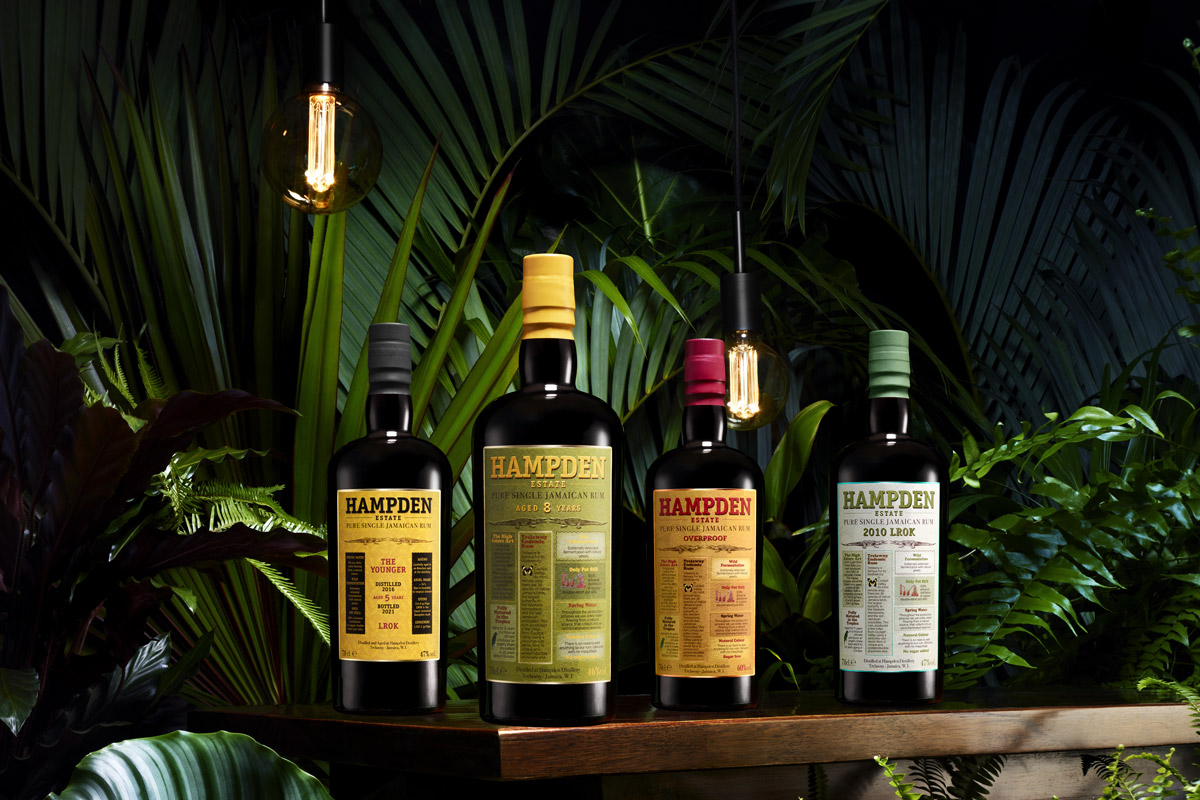
In 2009, the Hussey family took over the management of the estate, known for the extraordinary yield per hectare of its land, buying it following the bankruptcy of the Jamaica Sugar Company. The distillery has always sold its spirits in bulk to top blenders until 2018, when it launched its first official bottlings: a landmark achievement and a world first, ushering in a new era in the world of the finest rums.

Known the world over for its intense pot still rums, Hampden Estate continues to represent the quintessence of heavy rums today.
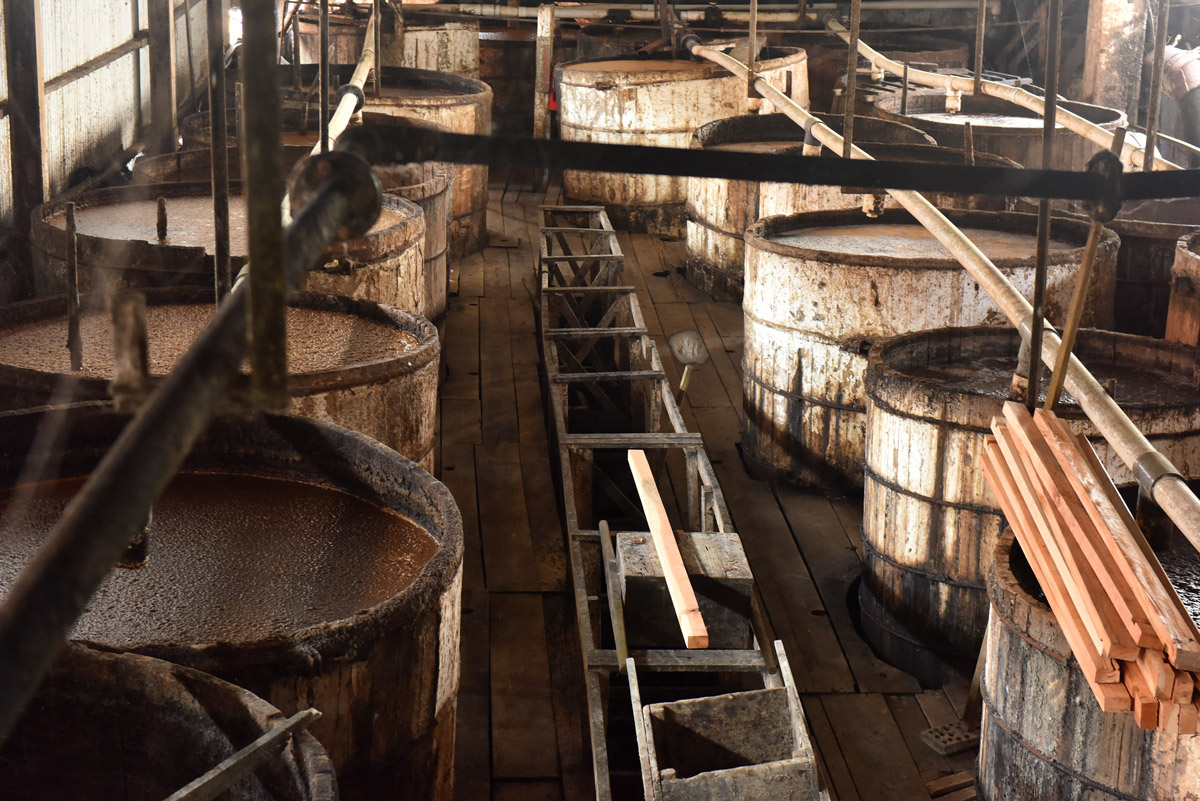
Jamaican rums have always been sought after for their high level of esters, and this iconic distillery in particular is considered the true custodian of the island's traditional style, as it still uses a complex fermentation process. The alcoholic fermentation can last several days, depending on the mark produced, followed by a secondary acetic fermentation, in which the dead wash is left to rest in open vats for several more days to further enhance esterification.
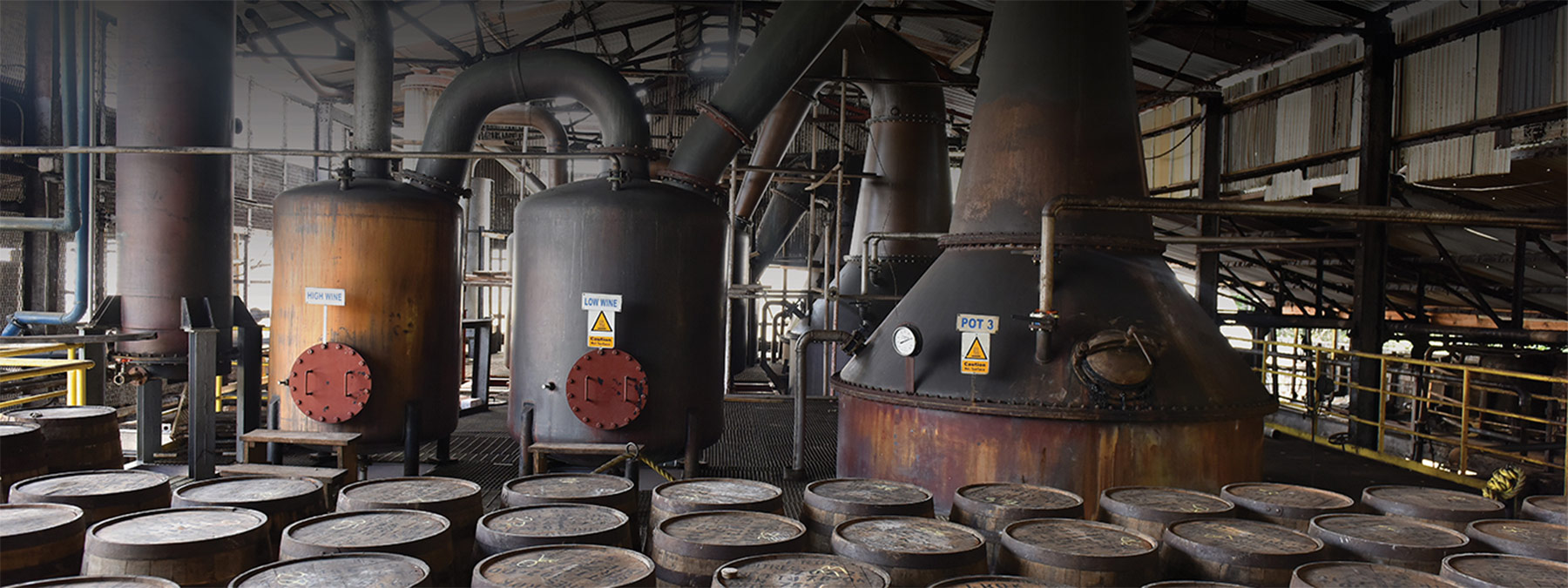
Distillation takes place in traditional Double Retort Pot Stills: there are 6, and each can be used to produce one of 8 marks. The distillation process has less influence than fermentation, and allows the complexity and intensity created during fermentation to emerge in the distillate. The final ABV is also the same for all 8 marks.

There are five fundamental pillars:
Distillates have different alcoholpercentages. So, we have defined a parameter allowing you to better understand and compare different prices. This parameter is calculated by dividing the bottle price by the alcohol content. The alcohol content (or strength) is the amount of pure alcohol (ethanol) contained in the distillate.
This parameter indicates the price of a single 4cl dosage of distillate. It is calculated by dividing the price of the bottle by its quantity (expressed in cl), then multiplying by the centilitres of the recommended single dose, as average in cocktail recipes.